Breathwork Isn't Meditation — It's Nervous System Control
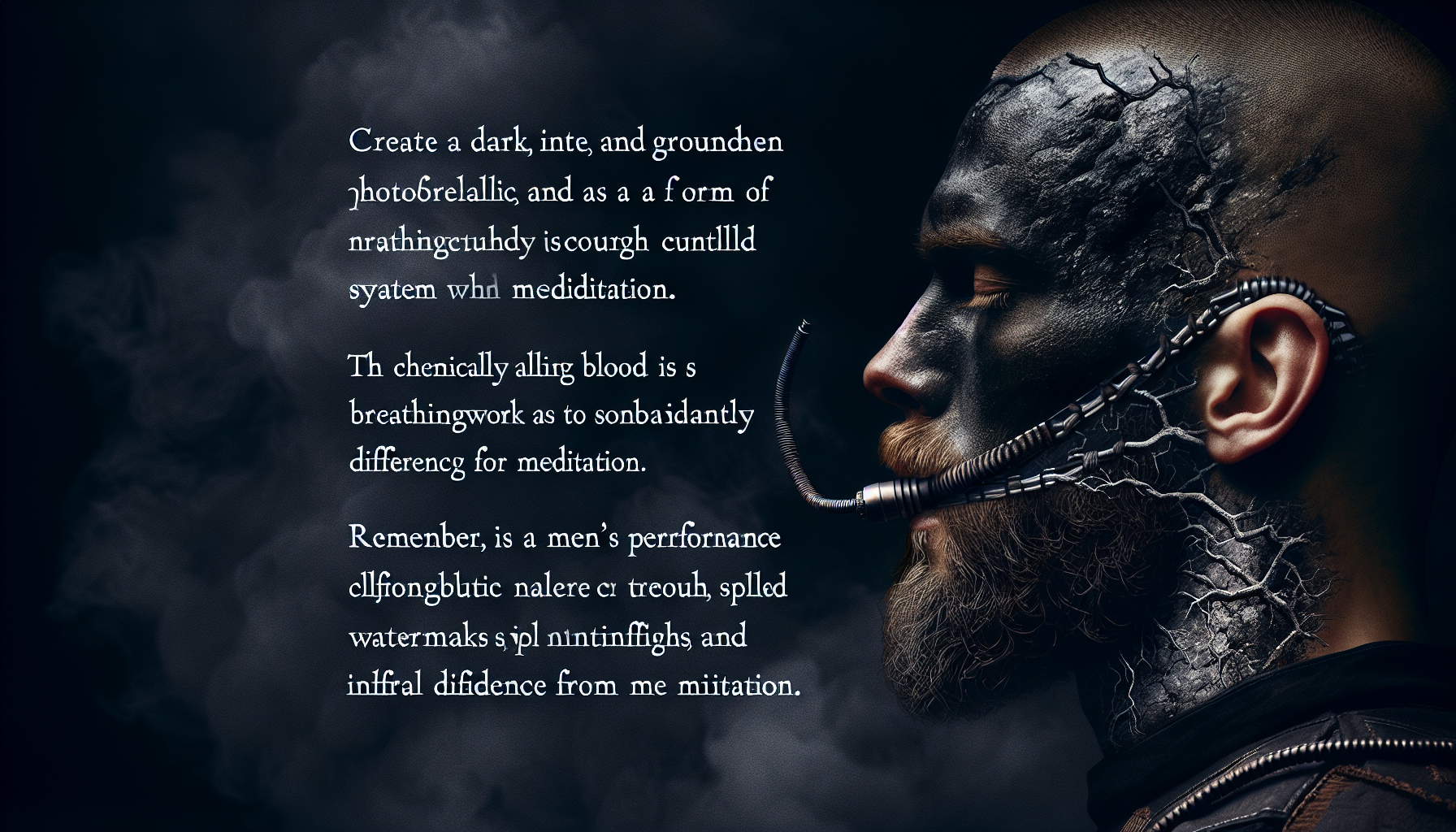
Meditation asks you to observe your thoughts.
Breathwork changes the chemistry of your blood.
They're not the same tool. Most people confuse them because both involve sitting still and breathing. But one is a mental practice. The other is a physiological switch.
Understanding the difference means you stop trying to think your way into calm when your body is running a stress response.
What Meditation Actually Does
Meditation is attention training. You practice noticing where your mind goes and bringing it back. Over time, you get better at observing thoughts without reacting to them.
This works—if your nervous system isn't already hijacked.
But when your body thinks it's being hunted, when your heart rate is spiked and cortisol is flooding your system, sitting quietly and watching your thoughts doesn't reset the alarm. You're trying to negotiate with a fire while the house is burning.
That's not a failure of willpower. That's biology winning.
What Breathwork Actually Does
Breathwork manipulates the balance of oxygen and carbon dioxide in your blood. That ratio controls whether your nervous system runs sympathetic (fight or flight) or parasympathetic (rest and digest).
Fast, shallow breathing dumps CO2, signals danger, spikes adrenaline. Slow, deep breathing builds CO2, signals safety, activates the vagus nerve.
Your vagus nerve is the main communication line between your brain and your body. When you breathe slowly, you're sending a direct message: stand down. There's no threat.
This isn't visualization. This is chemistry.
The body responds whether you believe it or not.
Why Your Nervous System Responds to Breath
Your nervous system reads breath as a survival signal. In actual danger, breathing becomes fast and shallow—your body preparing to run or fight. In safety, breathing is slow and deep.
The system works both ways. If you're stressed and you force slow breaths, your nervous system reads that as: "Wait. If we're breathing like this, maybe we're not dying."
It's not that you're tricking your body. You're giving it accurate information. The threat isn't real. The nervous system just can't tell the difference between a hard conversation and a lion.
Breathwork resets the signal.
The Difference in Application
Meditation helps you watch the noise without attaching to it. Breathwork stops the noise from screaming in the first place.
Use meditation when your system is regulated and you want to strengthen your attention.
Use breathwork when your system is dysregulated and you need to reset it before you can think clearly.
Mindset isn't just what you think. It's the way your chest tightens when something goes wrong. It's the way your body feels when you face stress. You can't think your way into calm if your nervous system is running a threat response.
That's why physical tools come first. Regulate the body. Then analyze.
How to Use Breathwork
Slow exhales longer than inhales. That's the simplest version.
When you feel your system start to spike—heart rate climbing, thoughts racing, chest tightening—don't try to think your way out. Breathe your way down.
Sit. Slow your exhale. Let your body catch the signal that you're not running from anything.
This isn't a replacement for cold exposure or structure or sleep. It's another tool in the system. But it's a tool that works in real time, in the middle of the moment when panic wants to take over.
The Takeaway
Breathwork isn't about feeling centered. It's about controlling the signal your nervous system receives.
Meditation teaches you to notice. Breathwork teaches your body to stand down.
Both matter. But when your system is jacked and your thoughts are spinning, you don't need observation. You need reset.
Slow the exhale. Let the body read the signal. Move forward from there.
The 90-Day Rebuild Protocol
For high-performing men 35+ who have tried everything else. Pain down. Strength back. Edge restored. $5,000 — full refund if you do not see measurable improvements in pain, strength, and energy in 90 days.
Apply Now →About the Author: Cam Cordin coaches men online worldwide. Author of Savage Chill: Die to Live.