The Turkish Get-Up: The One Movement That Tests Everything
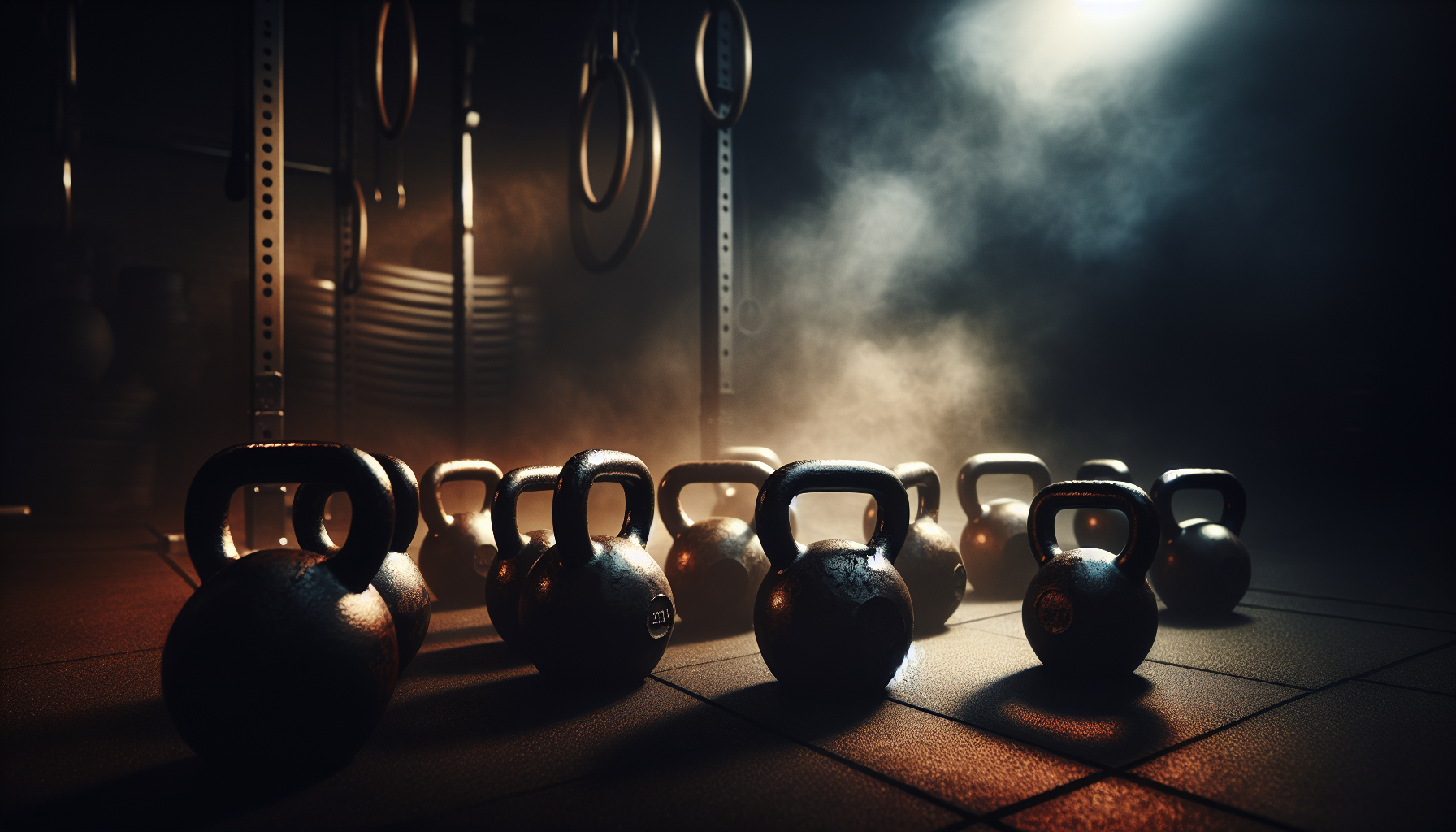
The Map That Doesn't Lie
The Turkish get-up kettlebell is not a strength builder. Not primarily. Most movements lie. They let weakness hide. Bench pressing doesn't care if the shoulder is locked up. Running doesn't care if the hip refuses to work. The body is good at compensating. It finds a path around the problem, and the person thinks progress is happening.
The TGU doesn't allow this. Stand with a kettlebell overhead. Now lie down. Stand back up. Simple. Impossible if something is broken. There's nowhere to hide. The movement exposes every deficit at once—mobility, stability, coordination, strength. It's not a test you pass or fail. It's a test that reads you.
What the Body Is Actually Saying
Most people approach a kettlebell movement like it's a problem to solve through force. More reps. More weight. Push through. Then pain shows up and the internal argument starts. Is this bad pain or good pain? Should I stop? Keep going? Debate for an hour and do nothing.
The frame is inverted. The full body strength movement doesn't work through force. It works through listening. The body sends signals constantly. Sharp, stabbing pain that gets worse with every rep: stop the movement, switch the exercise, switch the pattern. No ego. Log it. Mild discomfort as a muscle learns new work: continue. Tightness that loosens as the body moves: progress. The difference is massive. Most people can't read it because they never learned the map. They follow the same script: pain means weakness, weakness means push harder. The TGU reveals this script is backwards.
The Movement as Flowchart
A flowchart is a map. If this happens, I do that. Most have invisible flowcharts. Feel stressed, scroll. Get criticized, sulk. Miss a day, quit. Something hurts, panic and debate. The iron demands a visible map. Pain appears. Is it sharp or getting worse with every rep? Yes—stop, switch, log it. No—keep going. The decision tree is built into the movement itself.
This is where kettlebell mobility becomes real, not a concept. The TGU locks the body into positions that demand the nervous system stay present. There's no autopilot. The bell is overhead. The body is horizontal. If attention breaks, the bell falls or the back locks. The movement teaches the body to signal truth and the mind to listen.
Where This Leads
Spend enough time with the TGU and something shifts. The body stops treating discomfort as danger. Tightness becomes information, not threat. The nervous system learns to differentiate between breaking and building. Most people never get here. They quit before the map becomes clear. The ones who don't—the ones who sit with the movement long enough—start recognizing this pattern everywhere. Training. Work. Life. Pain as signal, not as stop sign.
The Turkish get-up kettlebell is not magic. It's a mirror with iron attached. What shows up depends entirely on what the body is actually made of and what the mind is willing to see.
The 90-Day Rebuild Protocol
For high-performing men 25-50 who have tried everything else. Pain down. Strength back. Edge restored. Weight down.
Apply Now →About the Author: Cam Cordin coaches men in Boynton Beach, FL and online worldwide. Author of Savage Chill: Die to Live.